
Menu
Concrete Slab Thickness Guide for Bellevue Homes
Concrete Slab Bellevue
Concrete slab thickness affects the strength, durability, and lifespan of any structure it supports. In Bellevue, where rainfall is frequent and soil conditions vary, choosing the right thickness matters even more. Many homeowners assume one standard size works for every project. In reality, thickness depends on the load, purpose, and site conditions. This guide explains what works best for common residential applications.
Why Slab Thickness Matters in Bellevue
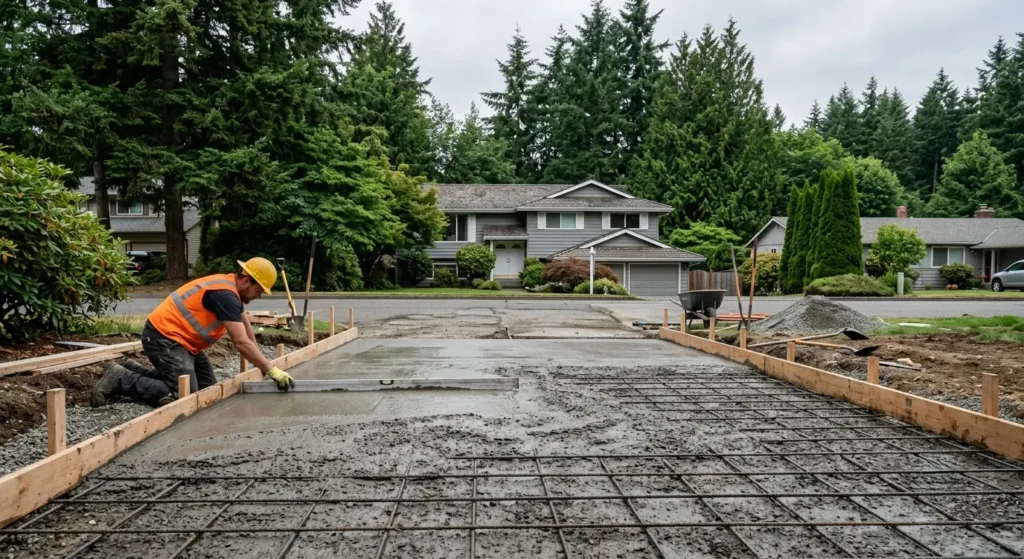
A concrete slab must support weight without cracking, settling, or shifting. Bellevue’s wet climate adds pressure because moisture weakens subgrade soil over time. When a slab is too thin, it flexes under load and develops cracks. Once cracks appear, water seeps in and accelerates deterioration. Proper thickness prevents these problems and extends the life of your investment.
Soil conditions around Bellevue also influence thickness requirements. Some areas contain glacial till, which drains poorly and shifts when saturated. Others feature sandy loam that compacts well. A qualified contractor evaluates your soil before recommending a slab depth. This step prevents costly failures later.
Standard Thickness for Common Projects
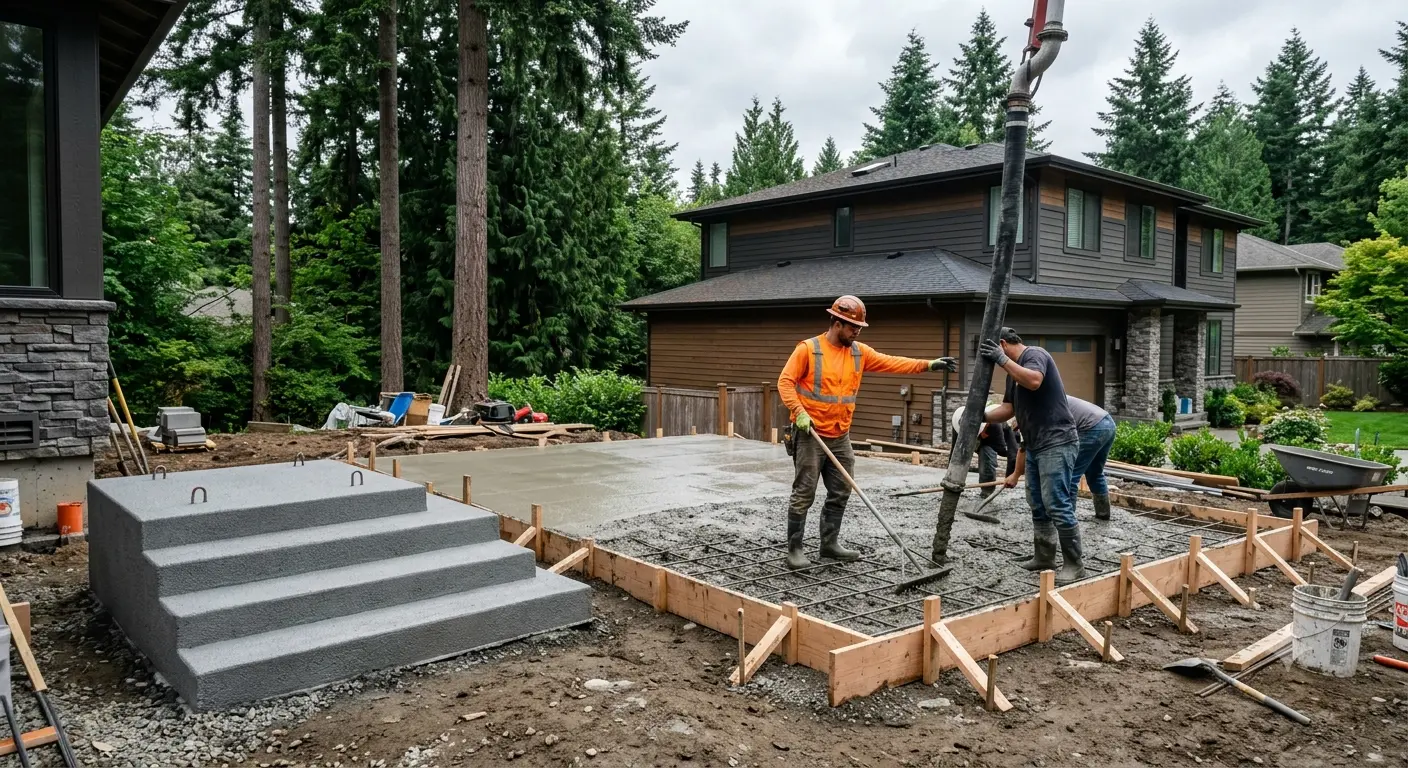
Residential concrete slabs generally range from four to six inches thick. A four-inch slab suits light-duty applications like walkways, patios, and shed floors. Five inches works well for standard driveways and garage floors that support passenger vehicles. Six inches or more is necessary for heavy loads, including RVs, dumpsters, or structural foundations.
Reinforcement also affects performance. A four-inch slab with wire mesh handles foot traffic and light furniture. A five-inch slab with rebar offers better resistance to vehicle weight and soil movement. Matching thickness to reinforcement gives you the best results for your specific project.
Driveway Slab Thickness
Most residential driveways in Bellevue perform well at five inches thick. This depth supports standard cars, SUVs, and light trucks without excessive flexing. If your driveway accommodates heavier vehicles regularly, consider six inches for added strength. Proper base preparation matters just as much as thickness.
A compacted gravel base of four to six inches sits beneath the slab. This base provides drainage and prevents soil movement from cracking the concrete. Skipping or skimping on base material leads to settling, regardless of slab thickness. For sloped driveways, thickness may increase near the apron to handle stress from vehicle transitions.
Patio and Walkway Thickness
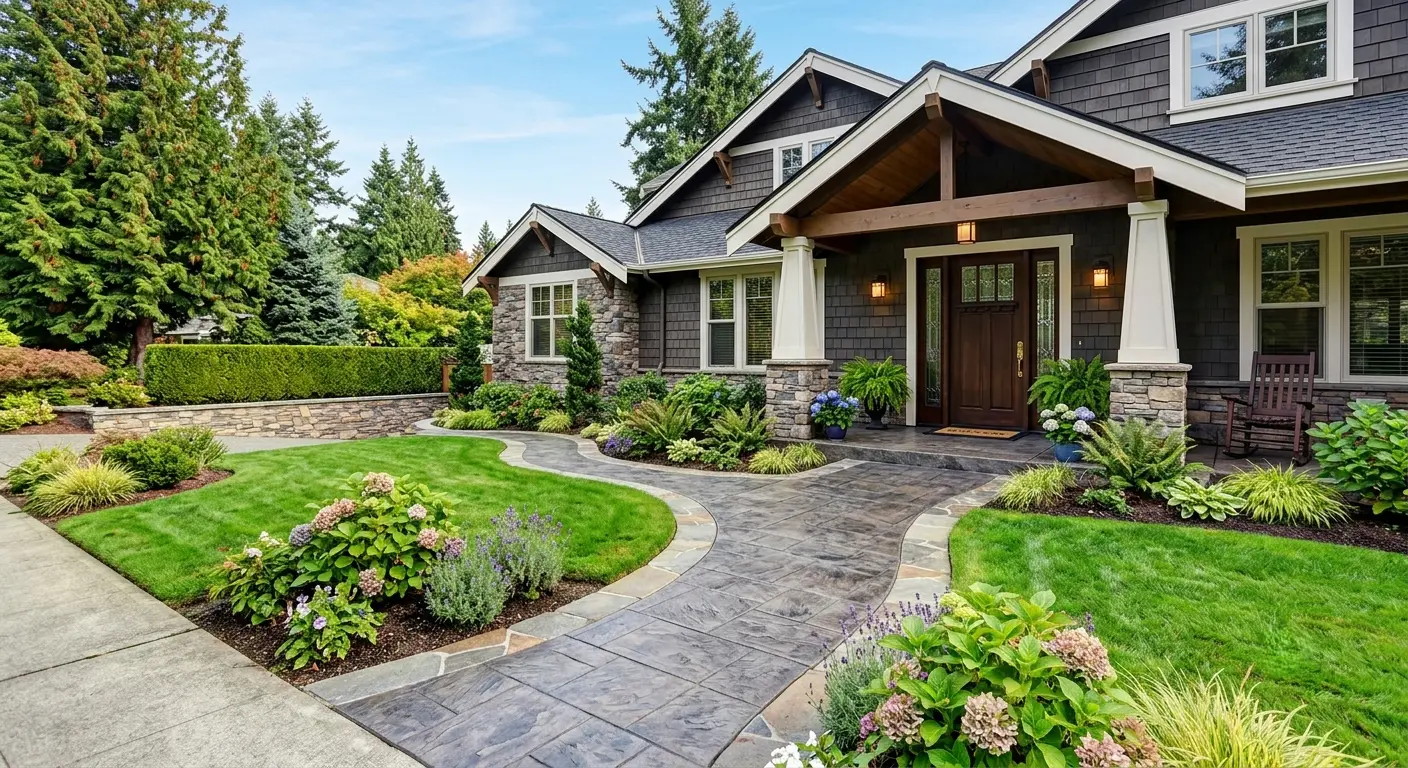
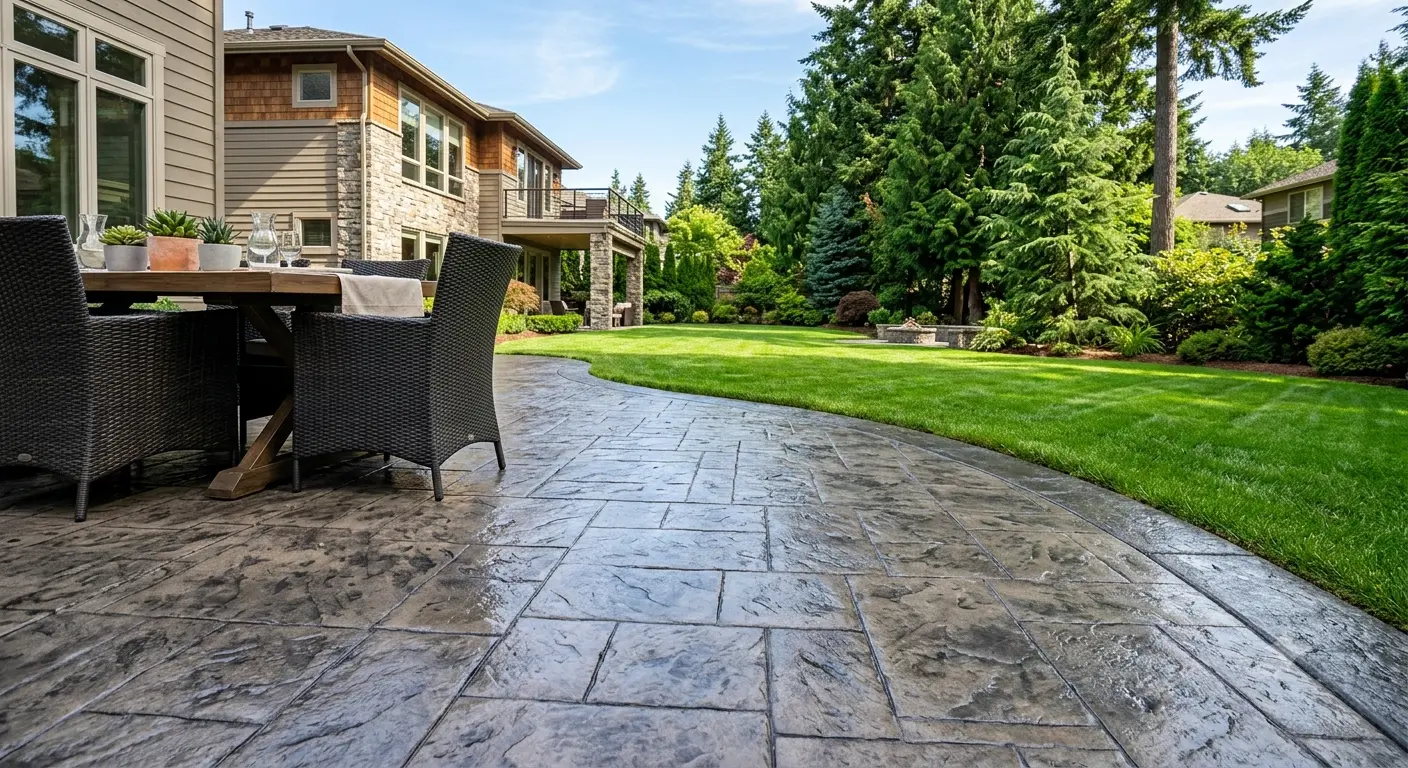
Patios and walkways carry lighter loads, so four inches usually suffices. This thickness handles foot traffic, patio furniture, and occasional grills without issue. However, if you plan to place heavy planters, outdoor kitchens, or hot tubs on the patio, five inches offers better support.
Walkways rarely need more than four inches unless they cross unstable ground. In Bellevue, freeze-thaw cycles are mild but still present. A well-compacted base and proper thickness keep walkways level and crack-free through wet winters. Edge restraints also help prevent shifting over time.
Garage Floor Thickness
Garage floors typically require five to six inches of concrete. Passenger vehicles weigh enough to demand this depth, and the slab must resist repeated loading. If your garage houses heavy equipment, a workshop, or large trucks, six inches is the safer choice. Reinforcement with rebar adds further durability.
Garage slabs also need proper slope for drainage. A slight pitch toward the door prevents water pooling inside. Bellevue’s rainy season makes this detail critical. Standing water weakens concrete over time and creates slippery surfaces. A skilled contractor balances slope, thickness, and base preparation for lasting performance.
Foundation Slab Thickness
Structural foundations demand the greatest thickness and precision. Most residential foundation slabs in Bellevue measure at least six inches, with footings extending deeper. These slabs support the entire weight of the home, so engineering requirements dictate exact dimensions. Building codes specify minimum thickness based on soil bearing capacity and home design.
Foundation slabs also require vapor barriers and proper reinforcement. These layers prevent moisture from rising through the concrete and protect the structure above. Bellevue’s wet climate makes vapor control especially important. Skipping these steps leads to moisture problems, mold, and structural damage over time.
Factors That Influence Thickness
Several variables determine the ideal slab thickness for your project. Load requirements rank first because heavier use demands thicker concrete. Soil stability comes next, since weak or shifting soil requires additional support. Climate plays a role too, as frequent moisture and mild freeze-thaw cycles affect curing and longevity.
Drainage conditions also matter. Poor drainage increases the risk of subgrade saturation and slab movement. In these cases, a thicker slab or enhanced base may compensate for the instability. Working with an experienced local contractor ensures all these factors receive proper attention.
Signs Your Slab Is Too Thin
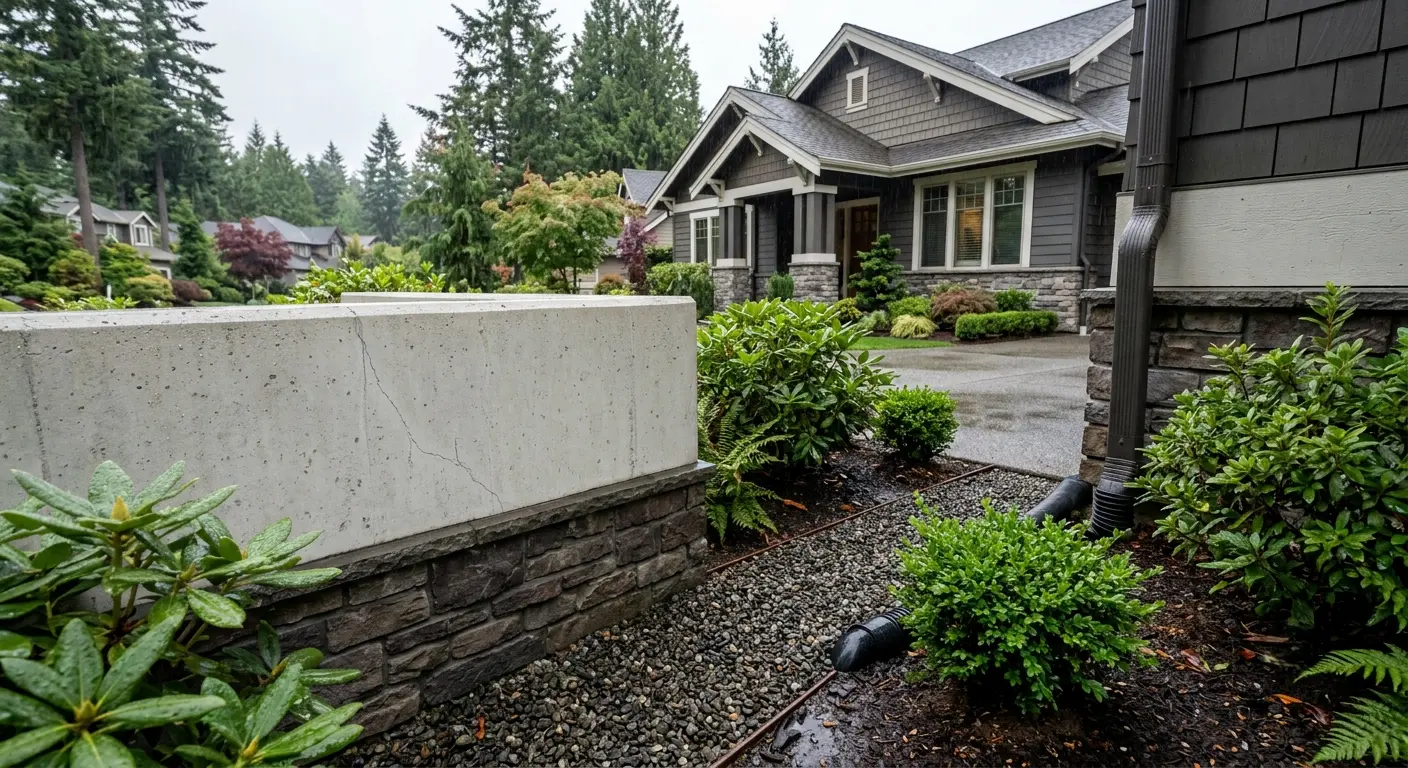
Cracks that appear soon after installation often signal insufficient thickness. Excessive flexing under load, visible sagging, and edge crumbling are other warning signs. If water pools on the surface instead of draining, the slab may lack proper slope or base support. Addressing these issues early prevents larger repairs later.
Repairing a slab that is too thin usually means replacement rather than patching. Patching only masks the problem while the underlying weakness remains. A new slab with correct thickness and base preparation solves the issue permanently. Investing in proper thickness upfront saves significant money over time.
Getting the Thickness Right
Choosing the correct slab thickness protects your investment and prevents premature failure. Each application carries its own requirements, from light patios to heavy driveways and structural foundations. Local soil and weather conditions add another layer of consideration that only experienced contractors fully understand.
At Bellevue Concrete Masters, we evaluate every project individually to determine the right slab thickness for your needs. Our team handles base preparation, reinforcement, and finishing with precision suited to Bellevue’s climate. Contact Bellevue Concrete Masters for a free estimate and expert guidance on your next concrete project.
LATEST POSTS